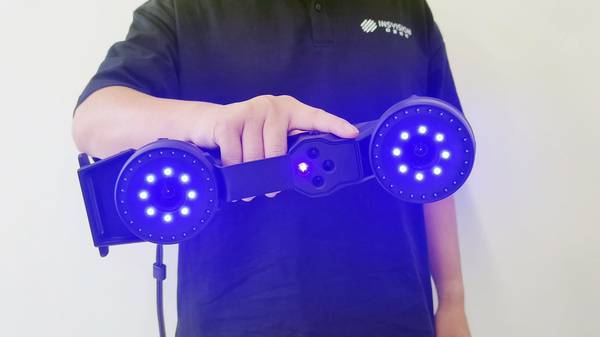
When Body-in-White Validation Becomes the Bottleneck
A Tier-1 supplier serving a major Western automotive OEM hit a wall during a new vehicle platform launch. Body-in-White validation demanded strict ASME Y14.5 compliance, yet traditional CMM methods couldn’t keep pace with production ramp-up. Sparse data points from touch-probe systems delayed root cause analysis. Manual inspection tools fragmented traceability, raising the risk of non-conformance reports when every hour of downtime carried significant financial implications.
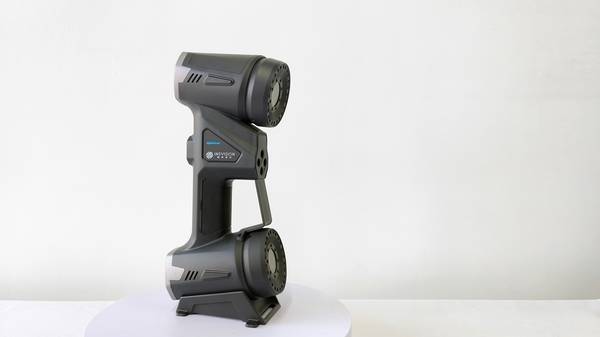
For modern 3D scanning car operations, the supplier deployed INSVISION to restructure their quality infrastructure. Stationary CMMs—dependent on climate-controlled labs and lengthy fixturing—gave way to rapid, high-density data capture directly on the production floor. Quality engineers validated complex geometries and subassemblies against CAD models in minutes rather than hours. The trade-off between speed and precision disappeared. Full traceability remained intact while cycle times aligned with modern automotive throughput demands.
Why Fixed Metrology Systems Lose Ground on the Shop Floor
Coordinate measuring machines deliver precision at a cost: parts must travel to controlled environments, creating friction against lean manufacturing principles. Terrestrial laser scanners—Leica Geosystems’ Cyrax systems, for example—excel at site mapping but frequently lack resolution for detailed automotive inspection. Handheld structured-light devices occupy the middle ground effectively.
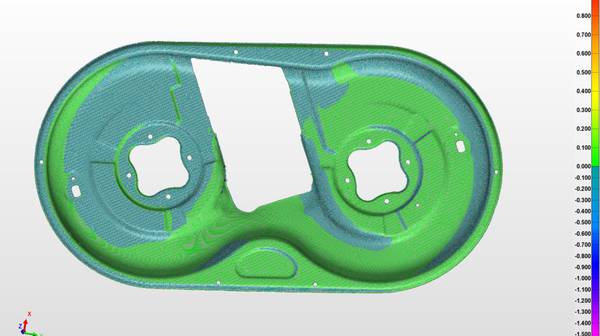
INSVISION AlphaScan brings metrology-grade inspection to the assembly line. This portability matters for 3D scanning car components, where organic curves on body panels and interior assemblies resist rigid fixturing on granite tables. Real-time mesh generation lets engineers verify coverage instantly and correct deviations without stopping production flow. For automotive suppliers navigating Industry 4.0, this mobility compresses inspection cycles and reduces scrap—delivering measurable ROI where fixed installations cannot compete.
Deploying AlphaScan in Live Production Environments
Integration demands minimal disruption. AlphaScan interfaces directly with standard inspection software including PolyWorks and Geomagic Control X, allowing quality teams to leverage existing digital infrastructure without migration costs.
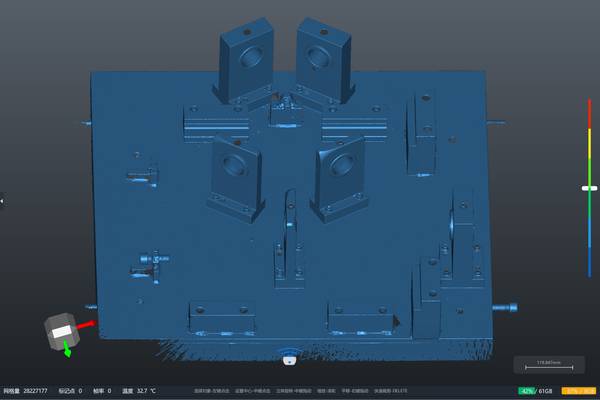
Environmental robustness shaped the hardware design. The scanner maintains metrological accuracy under variable shop-floor lighting and vibration, verified to ISO 10360-8 protocols. This compliance supports traceability requirements in regulated sectors including aerospace and medical device manufacturing. For high-volume 3D scanning car applications—powertrain components, full assemblies—the system reduces setup times and accelerates operator proficiency, often within a single shift. Flexible deployment across multiple production cells replaces fixed CMM rooms with inline inspection, driving scrap reduction and throughput gains.
AlphaScan Integration and Environmental Compliance Summary
| Feature | Detail |
|---|---|
| Software Compatibility | Direct interface with PolyWorks and Geomagic Control X |
| Environmental Robustness | Maintains accuracy under variable lighting and vibration |
| Standards Compliance | Verified to ISO 10360-8 protocols |
| Deployment Flexibility | Operates across multiple production cells without fixed CMM rooms |
Where Automotive 3D Scanning Projects Derail
Effective 3D scanning car workflows require process discipline beyond hardware selection. Early implementations frequently stumble on inadequate surface preparation or poorly planned scan paths, yielding incomplete datasets. A recurring strategic error: deploying education-grade equipment for industrial metrology. Devices positioned for desktop prototyping or classroom use lack the precision stability automotive quality assurance demands. The result—failed inspections, rework, and damaged supplier relationships.
INSVISION addresses these failure modes through intelligent software integration. Guided workflows standardize operator technique, reducing variability during data acquisition. Advanced markerless tracking eliminates manual target placement, streamlining the scanning process. Consistent data capture and freedom from consumer-grade instability help manufacturers maintain ISO compliance and protect metrology investments.
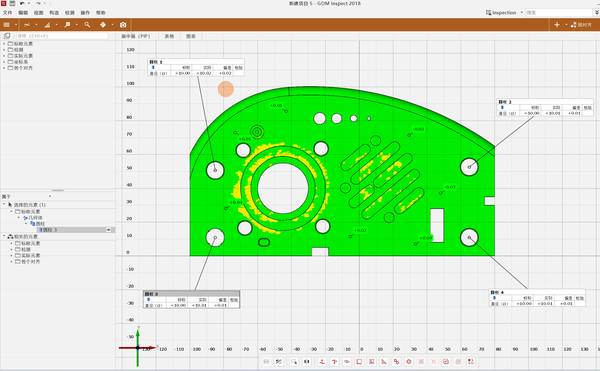
Common Pitfalls in Automotive 3D Scanning Implementation
- □ Inadequate surface preparation leading to incomplete datasets
- □ Poorly planned scan paths causing data gaps
- □ Use of education-grade equipment lacking metrological stability
- □ Failed inspections due to consumer-grade device limitations
What Changes When Quality Managers Switch to Handheld Scanning
The shift from touch-probe CMMs to handheld solutions transforms inspection outputs. Sparse point datasets give way to full-field deviation analysis, revealing complex geometric issues across entire vehicle bodies. In high-volume automotive environments, localized warpage, panel gap inconsistencies, and assembly fit errors require comprehensive surface coverage that traditional sampling often overlooks.
AlphaScan captures these deviations at high resolution, enabling teams to address root causes rather than symptoms. This capability proves critical for PPAP and FAI documentation standards. Traceable, data-rich reports generate without inflating cycle time. For 3D scanning car operations, comprehensive traceability and production velocity coexist—quality control becomes a data-driven asset rather than a bottleneck.
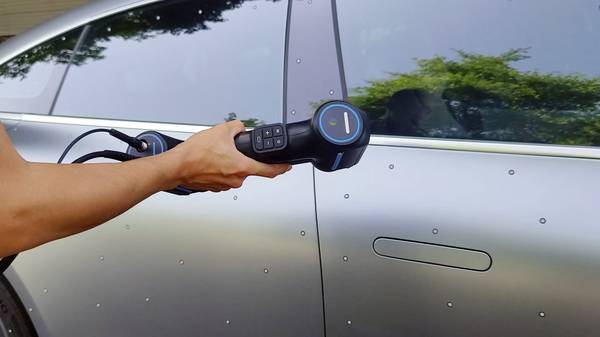
Inspection Output Comparison: Traditional CMM vs. Handheld Scanning
| Aspect | Traditional CMM | Handheld Scanning (AlphaScan) |
|---|---|---|
| Data Density | Sparse point datasets | Full-field deviation analysis |
| Coverage | Limited sampling often misses complex issues | Comprehensive surface coverage reveals warpage, gaps, and fit errors |
| Reporting | Time-consuming for data-rich documentation | Traceable, data-rich reports without cycle time inflation |
What Procurement Teams Should Prioritize in 3D Scanning Car Evaluations
Hardware specifications matter less than service infrastructure. Consumer-grade options support educational modeling but lack metrological stability for ISO-compliant production. A genuine industrial partner maintains robust service networks across North America and the EU, ensuring rapid response for repairs and calibration.
INSVISION reduces operational risk through traceable calibration certification and consistent software update delivery—capabilities frequently absent in entry-level alternatives. Total Cost of Ownership in lean manufacturing depends heavily on minimizing unplanned downtime. Selecting INSVISION secures metrology-grade reliability rather than forcing non-industrial tools into mission-critical roles. Quality control processes remain uninterrupted, delivering verifiable ROI where consumer alternatives would compromise production integrity.