The Hidden Cost of Manual Measurement Gaps in High-Mix Manufacturing
A Tier 1 automotive supplier’s stamping line grinds to a halt. A complex engine mounting bracket needs PPAP validation, but the CMM lab is booked solid for days. Manual checks with calipers yield different readings between shifts—operator technique varies, repeatability suffers. The quality manager faces an unenviable choice: scrap expensive parts based on questionable data, or risk shipping non-conforming product to the customer.
This scenario plays out daily across Western manufacturing floors. The bottleneck isn’t lack of measurement capability—it’s where and when that capability becomes available. INSVISION‘s AlphaVista series addresses this directly. With accuracy to 0.073mm and full-field data capture, technicians validate GD&T callouts at the machine rather than waiting for lab access. Procurement teams evaluating 3D tarama cihazı fiyatları often miss this operational reality. The sticker price matters less than the cost of halted production, scrap accumulation, and missed delivery windows. Instant, traceable feedback keeps material flowing and customers satisfied.
Why Accuracy Specs Don’t Tell the Whole Story
Two handheld scanners both claim “0.05mm resolution.” Place them on a shop floor running first-article inspections at 2 AM, and divergence emerges quickly. One stalls processing complex GD&T callouts; the other generates ASME Y14.5-compliant reports in minutes. This operational gap—not raw specifications—drives meaningful 3D tarama cihazı fiyatları differentiation.
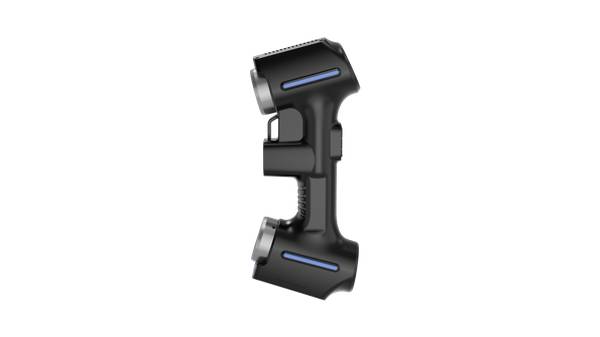
Traceable metrology separates professional-grade tools from disappointing purchases. INSVISION integrates PTB-certified software directly into AlphaScan hardware, ensuring inspection data withstands customer and regulatory audits. AI-enhanced processing filters point cloud noise that overwhelms lower-cost alternatives. CAD-driven workflows import existing geometry rather than forcing operators to rebuild models from scan data.
Field experience reveals a common failure mode: expensive equipment relegated to storage because it cannot tolerate hot forge environments or demands IT intervention for basic alignment. AlphaScan operates via standard USB without specialized infrastructure—essential when measuring large weldments in cramped bays. The evaluation question isn’t resolution on paper. It’s whether the tool produces defensible, repeatable data at 3 PM on a Friday deadline. That reliability commands premium positioning in 3D tarama cihazı fiyatları comparisons.
AlphaScan vs. Traditional CMM: Operational Reality Check
| AlphaScan Handheld System | Traditional CMM |
|---|---|
| Validates GD&T at the machine; no lab wait | Requires scheduling and transport to CMM lab |
| Full-field scan in under 5 minutes (turbine blades) | Fixture rigging + probe programming = hours |
| Operates in-situ (e.g., inside engine nacelles) | Requires part disassembly and fixturing |
| USB-powered, no IT infrastructure needed | Often requires dedicated climate-controlled room |
AlphaScan in Action: Inspection Without Compromise
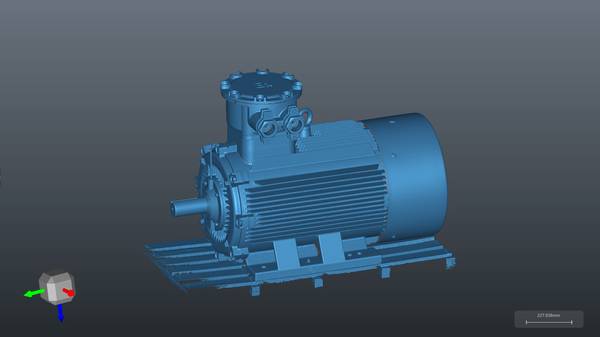
An aerospace MRO operation illustrates the throughput transformation. Traditional CMM measurement of turbine blades consumed significant time: fixture rigging, probe path programming, constant vigilance against mid-cycle part movement. AlphaScan reduces this to under five minutes from pickup to deviation visualization. The handheld form factor permits in-situ scanning within engine nacelles—no disassembly required.
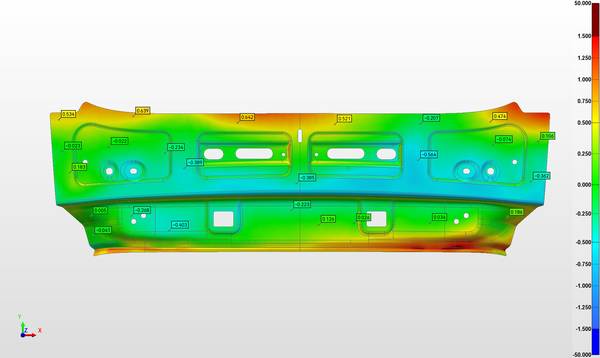
When procurement evaluated 3D tarama cihazı fiyatları for this energy division application, throughput gains alone justified the investment. Similar dynamics appear in pressure vessel fabrication. Fixed laser trackers lose line-of-sight around curved weldment assemblies. AlphaScan’s dynamic laser projection and real-time tracking maintain alignment through occlusions. Single-button operation generates color-coded deviation maps against CAD masters, with automated reports feeding directly into ISO documentation systems—complete with GD&T callouts and tolerance tables. For shop-floor conditions where parts move and access tightens, this flexibility outperforms fixed CMM alternatives.
Key Throughput Drivers in Modern Metrology Software
- CAD-driven task creation eliminates manual model rebuilding
- Automatic coordinate system establishment reduces setup time
- Real-time color-mapped deviation surfaces enable rapid anomaly detection
- Built-in GD&T validation compresses interpretation from hours to minutes
- Unified workflow prevents data silos and hidden labor costs
From Scan to Decision: Integrated Software as Throughput Driver
Quality control bottlenecks rarely originate in data acquisition. The constraint is interpretation—transforming point clouds into actionable decisions. Buyers researching 3D tarama cihazı fiyatları frequently overweight hardware specifications while underestimating post-processing labor costs. INSVISION addresses this through unified, PTB-certified inspection architecture.
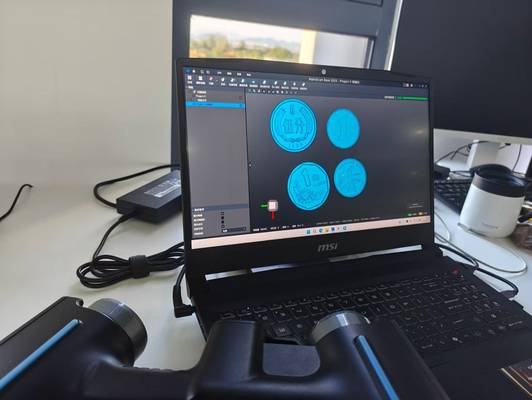
Engineers work within a single interface: CAD-driven task creation, multi-source data alignment, automatic coordinate system establishment. Color-mapped deviation surfaces appear immediately after alignment—visual feedback that outperforms spreadsheet analysis for rapid anomaly identification. Built-in GD&T tools validate tolerances against design requirements without manual calculation, compressing interpretation cycles from hours to minutes. The progression from raw scan to root-cause analysis happens in one continuous workflow. This integration eliminates software silos that inflate hidden labor costs, ensuring 3D tarama cihazı fiyatları investments translate to actual throughput rather than data accumulation.
Total Cost of Quality: The Real 3D Tarama Cihazı Fiyatları Calculation
A manufacturing line experienced substantial re-scan and engineering query volumes traceable to a single CMM bottleneck. After deploying INSVISION’s AlphaScan, that figure dropped dramatically. The improvement stemmed not from lower equipment cost, but from metrology-grade repeatability that holds tolerance shift after shift.
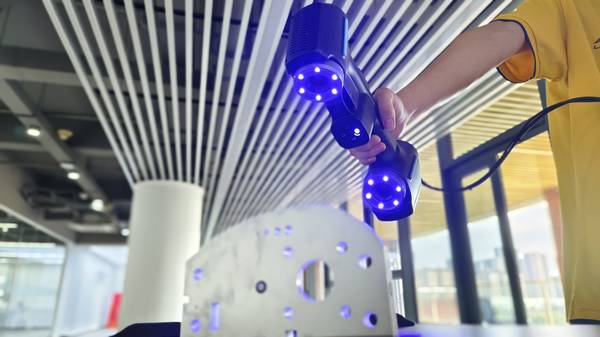
Procurement fixation on upfront 3D tarama cihazı fiyatları obscures genuine economics. External failure costs—rework, warranty claims, customer rejections—typically dwarf savings from budget equipment. AlphaScan’s AI-driven algorithms deliver auditable, repeatable data critical for GD&T-intensive first-article inspections under deadline pressure. CE, FCC, and CNAS certifications eliminate weeks of validation paperwork for global OEM supply chains.
Equipment that fails mid-inspection costs more than reliable hardware priced higher. Consistent data flow keeps production moving. That operational continuity—not specification sheet comparisons—defines where 3D tarama cihazı fiyatları deliver genuine ROI.